May 13, 2026
B2B PROCUREMENT GUIDE · FACADE MATERIALS
Terracotta Cladding Tile: The Complete B2B Procurement Guide for 2025
From performance specifications and system selection to cost benchmarks and procurement standards—what decision-makers need before placing an order.
$2.3B Global market value, 2024 | 5–8% Projected CAGR through 2031–2033 | 100 yrs Potential service life under rainscreen install |
IN THIS GUIDE
1. Why terracotta, why now
2. How the material actually works
3. System types compared
4. Technical specifications
5. Cost & lifecycle economics
6. Standards & certifications
7. Real-world case study
8. Frequently asked questions
9. Summary
1. Why Terracotta Cladding Tile, and Why Now
Spend any time reviewing major commercial facade specifications today and a pattern emerges: terracotta cladding tile keeps appearing in projects where owners once defaulted to aluminium composite or fibre cement. The shift is not accidental. It reflects a convergence of tightening sustainability regulations, mounting long-term maintenance costs on legacy cladding systems, and a renewed appetite—among institutional clients in particular—for materials that carry genuine provenance.
The global terracotta cladding market was valued at approximately USD 2.3 billion in 2024 and is projected to grow at a compound annual rate of between 5 and 8 percent through the early 2030s, depending on the segment and region measured. Asia-Pacific now accounts for over 40 percent of global installation area, while North America is the single largest revenue market. Demand for ventilated rainscreen systems—one of the two primary installation methods—currently represents around 29 percent of all terracotta cladding installations in major urban centres, a figure that is climbing steadily.
For procurement officers and project managers, the practical question is not whether terracotta is a credible facade material. It demonstrably is. The question is whether a specific project's performance requirements, budget profile, and procurement timeline make terracotta the right choice versus competing systems—and if so, which product format, finish, and installation method to specify.
This guide answers those questions in sequence.
2. How the Material Actually Works
Terracotta cladding tile is produced from natural clay—typically a blend of primary and secondary clays—that is extruded under vacuum, dried, and then kiln-fired at temperatures generally between 1,100 and 1,300 degrees Celsius. The firing process is what distinguishes architectural terracotta from ordinary ceramic tile: the sustained high heat vitrifies the clay body, producing a dense, non-porous matrix with inherently low water absorption, strong dimensional stability, and the characteristic colour depth that synthetic coatings cannot replicate.
Colour is created during firing rather than applied to the surface afterward. By varying clay blends and kiln temperature precisely, manufacturers achieve a broad natural palette—whites, creams, yellows, reds, terracottas, grays, and browns—without pigments that can degrade under UV exposure. For expanded colour ranges, mineral-based glazes are applied before the final firing cycle, permanently fusing the colour into the tile surface. This is why colour stability in architectural terracotta is measured in decades rather than years.
What the Hollow-Profile Design Contributes
Most modern architectural terracotta cladding tiles are hollow-profile extrusions rather than solid clay. This is not a cost-cutting measure—it is an engineering decision. The hollow structure reduces the self-weight of the facade by a meaningful margin while simultaneously increasing thermal resistance, since the trapped air inside each tile acts as an insulating layer. It also accommodates the mechanical fixing clips used in ventilated rainscreen installations without penetrating the visible face of the tile.
The practical result is a cladding product that is lighter than natural stone, easier to handle on site, and mechanically compatible with the dry-fixing systems that modern building codes in most markets increasingly require.
3. System Types Compared
Terracotta cladding tiles are installed within one of two primary facade system architectures. Understanding the functional differences matters before specifying, because the choice affects thermal performance, acoustic behaviour, drainage strategy, maintenance access, and total installed cost.
Criterion | Ventilated Rainscreen System | Closed / Non-Ventilated System |
Air cavity | 40–150 mm open cavity behind tile | Sealed or minimal cavity |
Moisture management | Drainage and evaporation via open joints; no sealant required | Sealant-dependent; closed air layer improves insulation |
Thermal performance | Superior—continuous airflow dissipates solar heat gain | Good, particularly with closed-cell insulation behind |
Tile replacement | Individual tiles can be unclipped without disturbing adjacent panels | Remedial work typically requires section-by-section removal |
Weight (approx.) | ~28 kg/m² (hollow-profile tile + framing) | ~35–45 kg/m² depending on tile thickness |
Typical application | Mid- to high-rise commercial, institutional, retrofit | Lower-rise residential, heritage restoration, sheltered facades |
Market share (2024) | ~29% of all urban terracotta installations and growing | Declining in new-build; stable in restoration |
Sources: Market Growth Reports (2026); DCA Facade technical documentation
For most commercial new-build and retrofit applications, the ventilated rainscreen approach is now the default recommendation among facade engineers, primarily because it decouples moisture management from the structural wall and provides genuinely independent serviceability over the building's life.
4. Technical Specifications Procurement Teams Need to Verify
Procurement errors in facade projects rarely stem from choosing the wrong finish. They more often result from failing to verify that a product meets the technical thresholds required by the project's building code, insurance underwriter, or sustainability certification pathway. The following parameters are non-negotiable for commercial terracotta cladding tile specifications.
Core Physical Parameters
Parameter | Typical Benchmark | Relevant Standard |
Water absorption | ≤ 5% (outdoor use) | ISO 10545-3 / EN 14411 |
Breaking strength (MOR) | ≥ 25 MPa | ASTM C1027 / EN 14411 |
Freeze-thaw resistance | No visible cracking after 50 cycles | ISO 10545-12 |
Fire classification | Euroclass A1 / ASTM E84 Class A | EN 13501-1 / ASTM E136 |
Linear thermal expansion | ~5.0 × 10⁻⁶ K⁻¹ | ISO 10545-8 |
Tile thickness (standard) | 18–30 mm (hollow); 10–18 mm (solid/thin) | Project-specific |
Surface hardness (Mohs) | 5–7 (comparable to glass) | ASTM C1027 |
Compiled from manufacturer technical datasheets and ISO/ASTM standards as of 2024–2025
| Procurement note: For projects targeting LEED v4.1 or BREEAM Outstanding, verify that the terracotta tile supplier can provide Environmental Product Declarations (EPDs) prepared under ISO 14025. Not all manufacturers offer this; it is a meaningful differentiator for projects where green building certification credits depend on material transparency. |
Surface Finish Options and Their Implications
Terracotta cladding tiles are available in a wider range of surface treatments than many specifiers initially realise. Natural (unfired surface) and sandblasted finishes are the most common starting points, but wire-struck, grooved, corrugated, linear-texture, and wood-grain profiles are all achievable through extrusion die customisation. Glazed surfaces—available in the full RAL colour range in both matte and gloss—expand the design envelope considerably. Some manufacturers now offer self-cleaning photocatalytic glazes that use light and oxygen to neutralise surface pollutants and reduce biological fouling, a meaningful factor for facades in urban or coastal environments where maintenance access is costly.
One practical caution: three-dimensional and heavily profiled tiles increase production lead times and require more careful attention to fixing detail, particularly at corners and jamb conditions. Budget an additional 15–20 percent on lead time for any project requiring custom-profile extrusion dies.
5. Cost and Lifecycle Economics
The most common objection to terracotta cladding tile in procurement conversations is initial unit cost. It is a fair point, and it deserves honest engagement rather than dismissal.
Supply-side pricing for architectural terracotta panels and tiles typically starts at around USD 90 per square metre for standard profiles sourced directly from manufacturers, with premiums applying for custom profiles, specialist glazes, and smaller batch sizes. Bulk orders exceeding approximately 3,000 m² typically attract discounts of up to 30 percent from direct-manufacturer supply arrangements. Installed cost—including framing, fixings, and labour—will vary significantly by market, typically adding 60–120 percent to the material cost in North America and Western Europe.
Against those numbers, the lifecycle story is materially different from most competing facade systems.
Facade Material | Typical Design Life | Maintenance Cycle | Colour Stability | Recyclable? |
Terracotta cladding tile (rainscreen) | 60–100+ years |
|
|
|
Aluminium composite panel (ACM) |
|
|
|
|
Fibre cement cladding |
|
|
|
|
EIFS / render system |
|
|
|
|
Natural stone cladding |
|
|
|
|
Service life data compiled from NBK Terracotta technical guidance, DCA Facade, and industry literature. Individual performance varies by installation quality and climate exposure.
When total cost of ownership is modelled over a 25-year period—factoring in reduced repainting cycles, lower remedial repair frequency, and avoided panel replacement—terracotta cladding tile consistently performs favourably against fibre cement and EIFS systems despite its higher upfront cost. The energy savings attributable to the thermal regulation provided by a ventilated rainscreen system add another dimension to the economic case, particularly in climates with high cooling loads.
6. Standards, Certifications, and Compliance
Before finalising any terracotta cladding tile specification, procurement teams should confirm compliance across three separate domains: product standards, building code requirements, and sustainability certification alignment.
Product Standards
The primary international product standards applicable to architectural terracotta tiles are ISO 13006 (ceramic tiles—definitions, classifications, characteristics, and marking) and EN 14411, the European standard for ceramic tiles used in external wall cladding. In North American markets, ASTM International standards—particularly ASTM C1027 (abrasion resistance) and ASTM E136 (combustibility)—are the relevant benchmarks. Request third-party test certificates for all applicable parameters, not simply manufacturer declarations.
Fire Classification
Terracotta is inherently non-combustible. Tiles produced from natural clay without organic binders or combustible coatings typically achieve Euroclass A1 classification under EN 13501-1, the most stringent category. This is significant for high-rise applications in markets that have tightened external wall cladding regulations—a trend that has materially increased specifier interest in terracotta and other ceramic facade products.
Sustainability Certifications
For projects pursuing LEED v4.1, BREEAM, or equivalent green building rating, terracotta cladding tile can contribute credits across several categories: Materials and Resources (EPD availability, recycled content potential), Indoor Environmental Quality (zero VOC off-gassing from the fired clay body), and Energy and Atmosphere (thermal performance contribution from ventilated facade systems). Confirm with individual suppliers which credit pathways their products specifically support and whether project-level documentation packages are available.
7. Real-World Application: McCormick Spice Headquarters, Hunt Valley, Maryland
Case Study · Commercial Headquarters Facade | ||||
Blending Natural Materials with High-Performance Design Designed by STUDIOS Architecture, the McCormick Spice & Flavoring headquarters in Hunt Valley, Maryland features a facade that directly references the company's ingredient heritage through its choice of exterior materials. The project specified a rainscreen envelope combining HPL panels and Terra5 terracotta cladding tiles, with all facade attachment provided by ECO Cladding's engineered sub-framing system. The terracotta element was selected for its ability to deliver long-term durability and a thermally efficient rainscreen envelope while meeting the client's sustainability commitments. The sub-framing system was engineered to accommodate the weight and thermal movement characteristics of the terracotta tile format, ensuring precision alignment across multiple facade conditions.
|
The McCormick project illustrates a point that procurement teams often underweight: the sub-framing system is as consequential as the tile itself. A terracotta tile specified to the correct standards but installed on an under-engineered or thermally bridging sub-frame will underperform. The two elements should be evaluated and procured as a coordinated system, not as independent line items.
8. Frequently Asked Questions
How does terracotta cladding tile differ from standard ceramic tile?
Architectural terracotta is fired at significantly higher temperatures (typically 1,100–1,300 °C versus 900–1,050 °C for standard ceramic) and is produced from selected natural clay blends without organic binders. The result is a denser, lower-porosity body with superior freeze-thaw resistance, higher breaking strength, and better dimensional stability under thermal cycling. Standard ceramic tiles are not rated for exposed external cladding in most building codes; architectural terracotta tiles are specifically engineered and tested for that application.
What are realistic minimum order quantities for B2B procurement?
This varies by manufacturer, but standard-profile tiles from major suppliers are typically available from around 500 m² for stocked colours. Custom profile or custom colour orders generally carry minimum order quantities in the range of 1,000–2,000 m². For projects requiring bespoke extrusion dies, expect additional tooling costs (typically USD 3,000–8,000 per die) and lead times of 6–10 weeks for initial sample production.
What is the typical lead time for a commercial terracotta cladding tile order?
For standard profiles in stocked natural-fired colours, lead times from major manufacturers are typically 10–20 days for smaller orders, extending to 4–6 weeks for large volumes that require dedicated production runs. Custom profiles and glazed finishes generally require 8–12 weeks from order confirmation to dispatch. Projects with tight programme constraints should factor in additional time for shipping and any site logistics requirements.
Can individual tiles be replaced if they are damaged after installation?
In a properly designed ventilated rainscreen system, yes—individual tiles can be unclipped and replaced without disturbing adjacent panels or requiring scaffold for the entire facade elevation. This is one of the practical long-term maintenance advantages of the rainscreen approach over systems where tiles are bonded or grouted. It is advisable to retain a small percentage (typically 2–3%) of each tile batch for future replacement matching.
Is terracotta cladding tile appropriate for coastal or high-humidity environments?
Yes, provided the correct tile specification is selected. In coastal environments, water absorption should be specified at the lower end of the acceptable range (≤ 3% rather than ≤ 5%), and glazed finishes with confirmed salt-spray resistance should be considered for facades within direct spray zones. The underlying material is inherently resistant to chloride-induced degradation—unlike some metal and cement-based alternatives—which makes terracotta a sound choice for coastal institutional and commercial projects.
What certifications should we request from suppliers?
At minimum: third-party test reports confirming compliance with ISO 13006 / EN 14411 (or applicable ASTM standards), fire classification certificate (Euroclass A1 or ASTM Class A equivalent), and dimensional tolerance documentation. For sustainability-focused projects, additionally request Environmental Product Declarations (EPDs) under ISO 14025, LEED / BREEAM documentation support, and confirmation of manufacturing plant environmental management certification (ISO 14001).
9. Summary
Terracotta cladding tile occupies a well-defined and defensible position in the commercial facade materials market. Its combination of genuine long-term durability, inherent fire resistance, zero-VOC material composition, and aesthetic depth gives it advantages that engineered alternatives struggle to replicate. The material is not appropriate for every project or every budget, but for clients who are evaluating total cost of ownership rather than initial material cost alone, it consistently merits serious consideration.
For procurement teams, the critical decisions are: system type (ventilated rainscreen versus closed), tile profile and finish (which affects both aesthetics and lead time), supplier verification (standards compliance and EPD availability), and installation system coordination (tile and sub-frame should be specified together). Getting those four decisions right early in the project programme prevents the specification errors that generate cost and delay downstream.
The market backdrop reinforces the fundamentals. With the global terracotta cladding sector growing at a consistent rate and manufacturers investing in digital fabrication, lightweight composite formats, and photovoltaic integration, the product category is evolving quickly. Buyers who develop supplier relationships and product knowledge now will be better positioned as both project volumes and specification complexity increase.
Ready to Specify Terracotta Cladding Tile for Your Project? Speak with our technical team about system selection, performance requirements, and procurement timelines. We work directly with project managers, engineers, and architects from specification through delivery. → Request a Technical Consultation |
SOURCES & REFERENCES
1. Market Growth Reports. Terracotta Cladding Market Size, Share & Global Research 2035. January 2026. marketgrowthreports.com
2. Market Research Future (MRFR). Terracotta Cladding Market Size, Share, Trends and Analysis 2035. December 2025. marketresearchfuture.com
3. 6Wresearch. Global Terracotta Cladding Market 2025–2031. 6wresearch.com
4. Architizer / NBK Terracotta (Christian Lehmann, Ceramic Engineer & GM, NBK North America). An Architect's Guide To: Terracotta Cladding. architizer.com
5. ECO Cladding. Terracotta Facade Systems — Project Portfolio. ecocladding.com
6. DCA Facade. Tempio Terracotta Tile Rainscreen / Ventilated Facade System. dcafacade.com.au
7. LOPO China Terracotta. Terracotta Cladding Technical Overview. lopochina.com
8. Straits Research. Cladding Market Size, Growth to USD 467.85 Billion by 2033. straitsresearch.com
Related articles
May 13, 2026
Terracotta Bricks vs Clay Bricks: What Specifiers Actually Need to Know
Read more →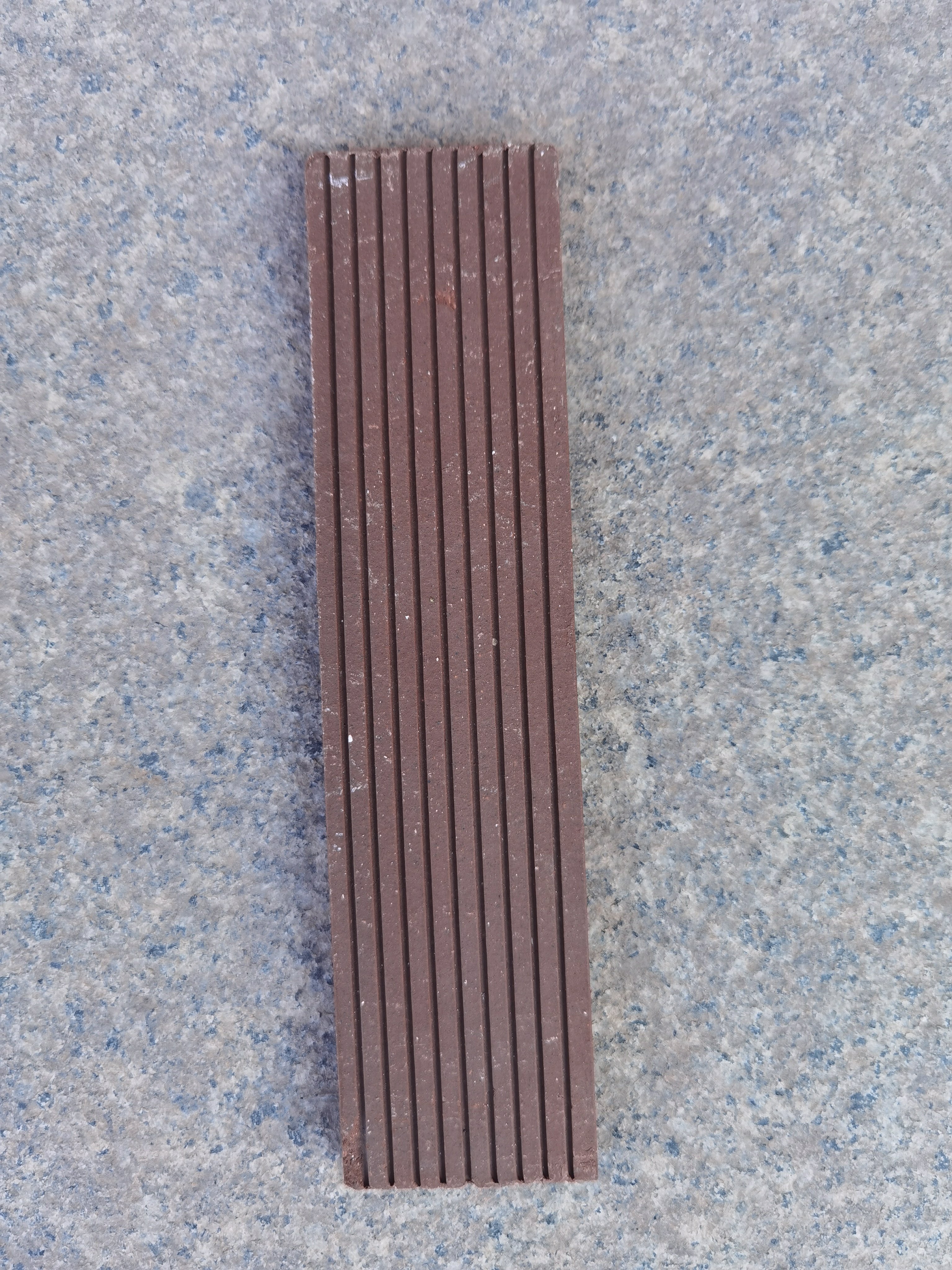
May 13, 2026
Terracotta Bricks vs Clay Bricks: What Specifiers Actually Need to Know
Read more →May 13, 2026
How to Choose Exterior Terracotta Bricks for Your Project
Read more →May 13, 2026
Are Clay Bricks Waterproof or Water-Resistant?
Read more →